%201.webp)


.svg)
Moving elderly parents is a significant life event that blends logistical challenges with emotional complexities. Whether the move is prompted by health concerns, a desire for family proximity, or the need for a safer environment, the process requires careful planning, open communication, and a strong support system. This guide provides actionable steps and expert insights to help families in Alexandria, VA, and beyond navigate the journey of relocating aging loved ones with confidence and compassion.
In Alexandria, VA, Division 1 Movers are your trusted specialists for local and long distance moves. If anything is unclear as you read this guide, feel free to contact us.
Why Moving Elderly Parents Requires Special Consideration
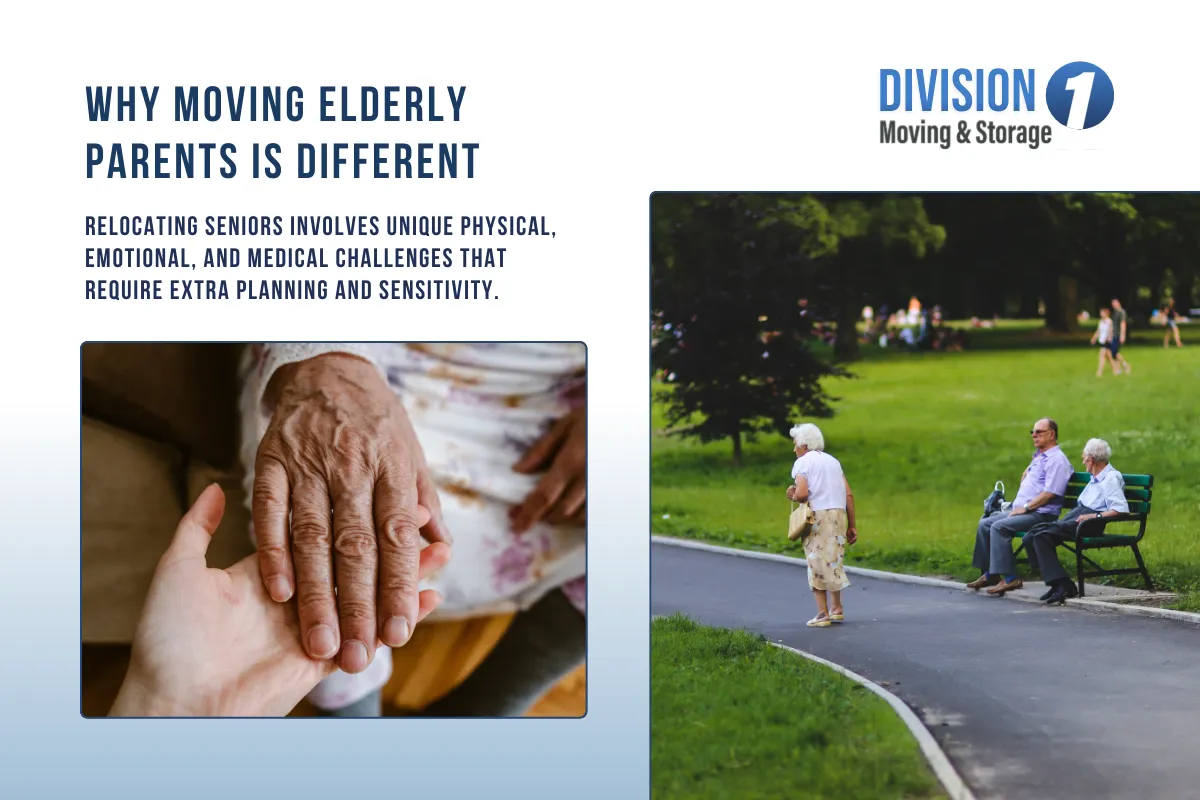
Relocating older adults is not just about packing boxes and hiring a truck. Seniors often face unique physical, emotional, and medical challenges that can make moving particularly stressful. Relocation Stress Syndrome (RSS), characterized by anxiety and loneliness, is especially common among seniors and can negatively impact both physical and psychological health. Recognizing these risks early allows families to take proactive steps to minimize stress and ensure a smoother transition for their loved ones.
Planning the Move: Building a Roadmap for Success
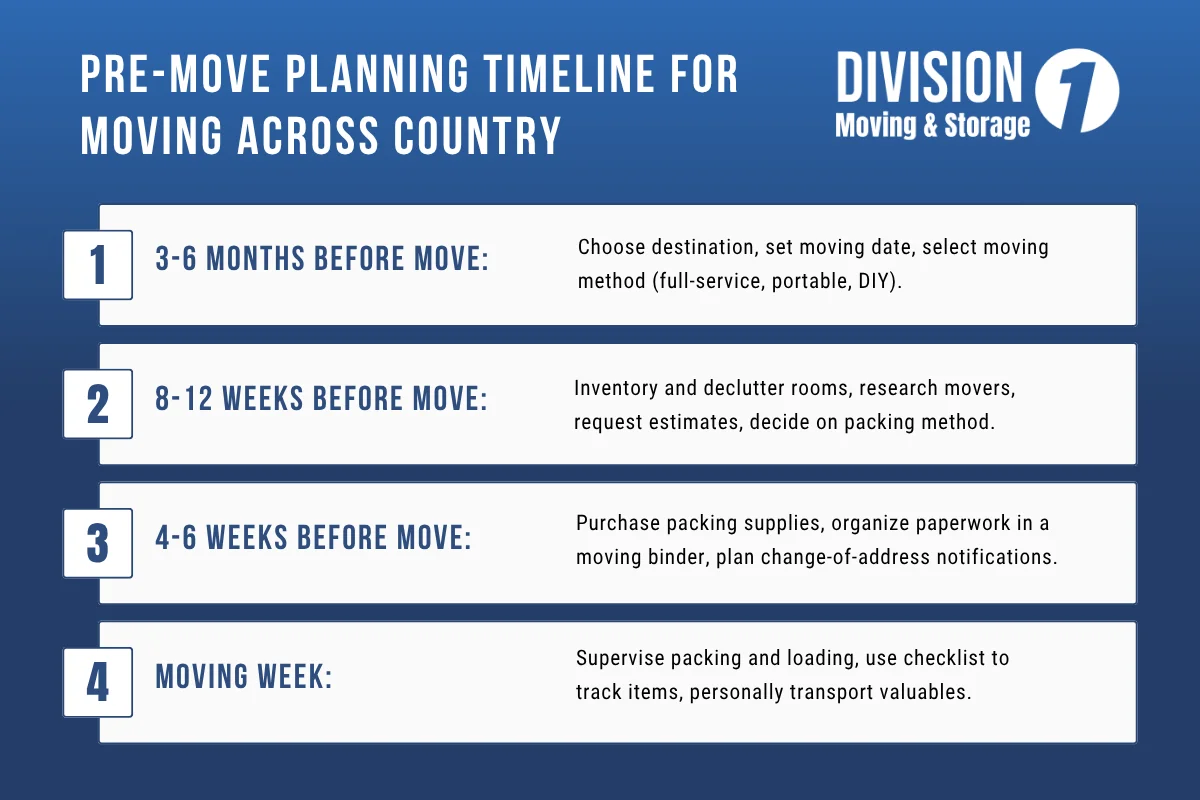
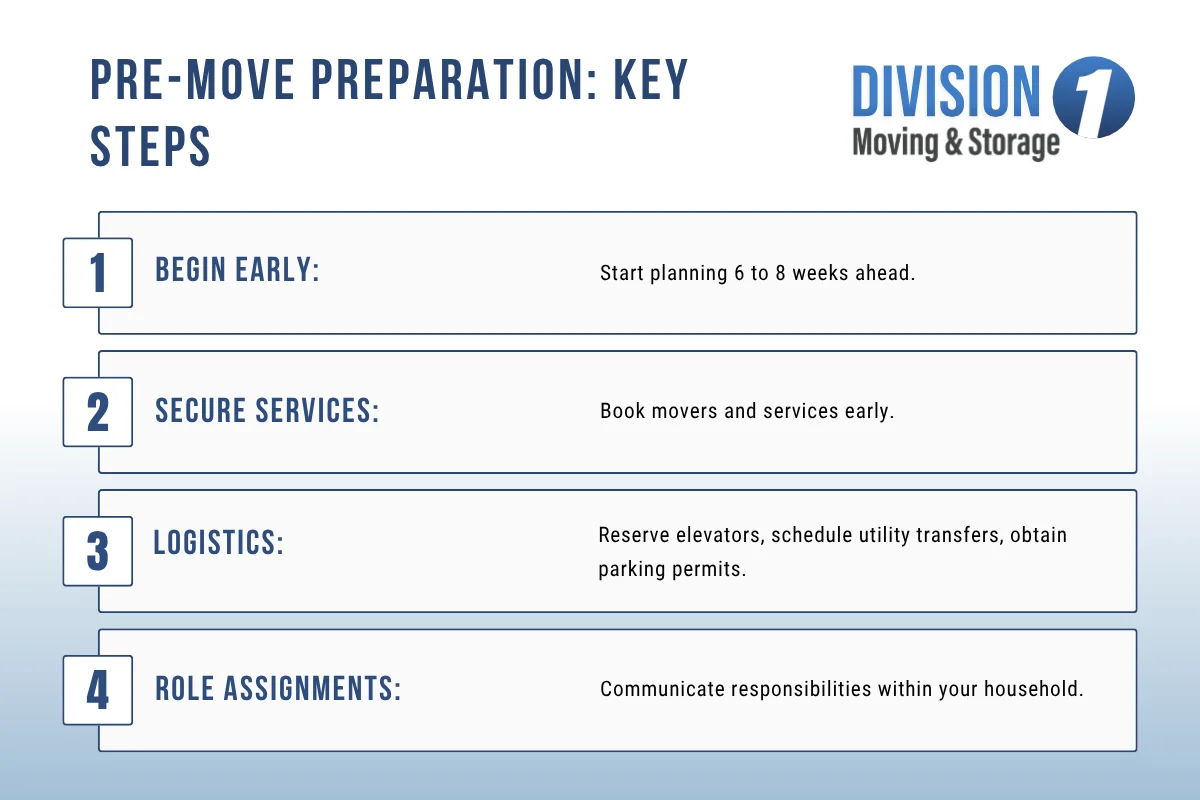
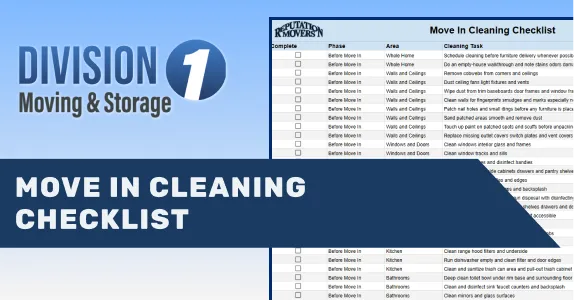
Effective planning is the cornerstone of a successful move for elderly parents. Starting early and following a structured approach can reduce uncertainty and provide reassurance for everyone involved. For our full checklist guide check out our moving checklist for elderly parents.
- Choose the Right Moving Date: Align the move with the availability of the new residence, especially if transitioning to assisted living. Begin arrangements weeks or even months in advance to avoid last-minute stress.
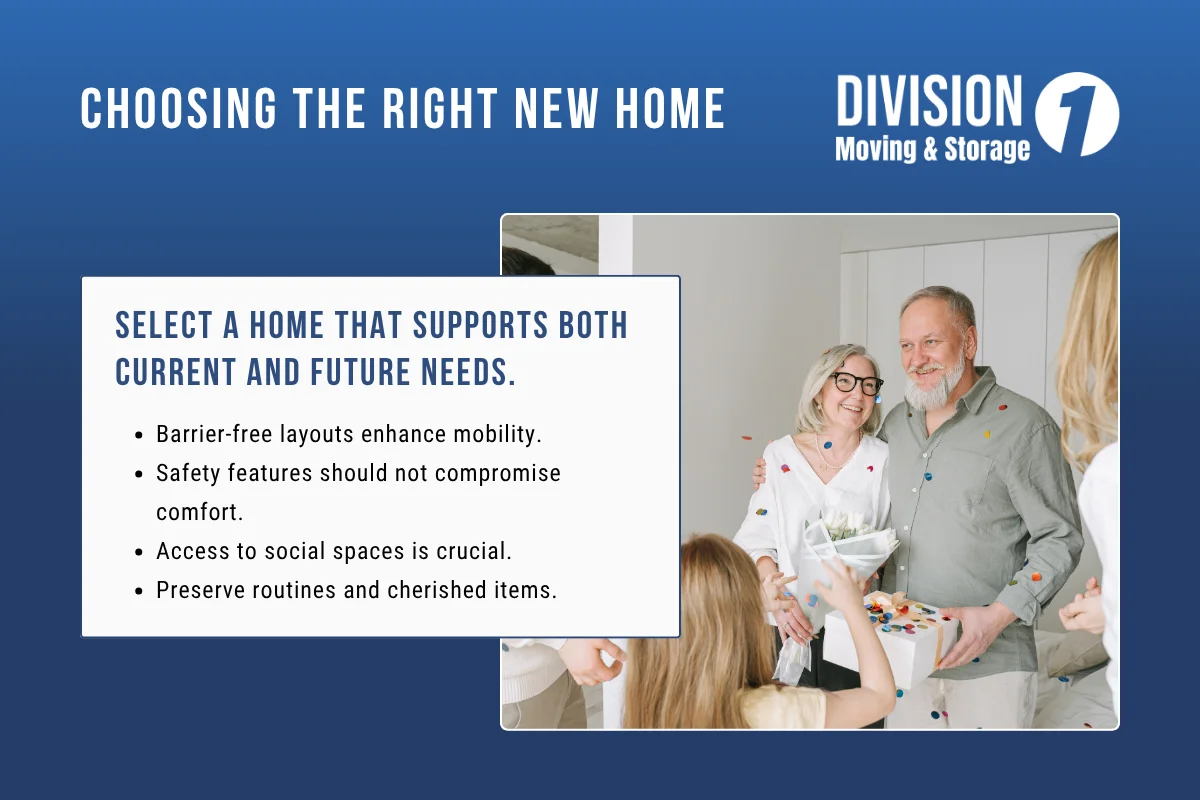
- Create a Floor Plan: Visualize the new living space, including furniture placement and accessibility needs. This helps minimize confusion and ensures the new environment is comfortable and safe.
- Notify Essential Services: Inform healthcare providers, utility companies, and financial institutions about the upcoming move to maintain continuity of care and services.
- Downsize Methodically: Break up the process into manageable chunks, starting with areas that hold less sentimental value. Use clear categories, keep, donate/sell, toss, and involve your parents in every decision to respect their autonomy.
- Handle Items Promptly: Once items are sorted, act quickly to donate, sell, or dispose of them. This prevents second-guessing and helps maintain momentum.
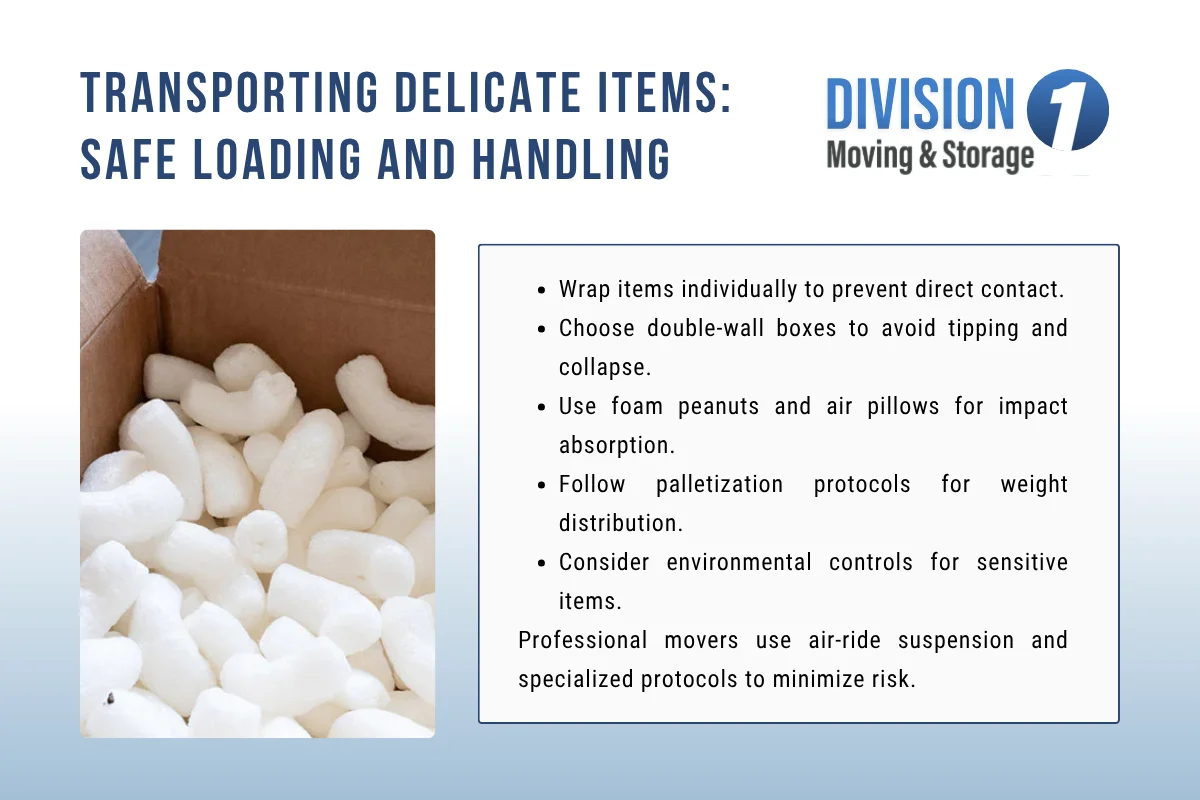
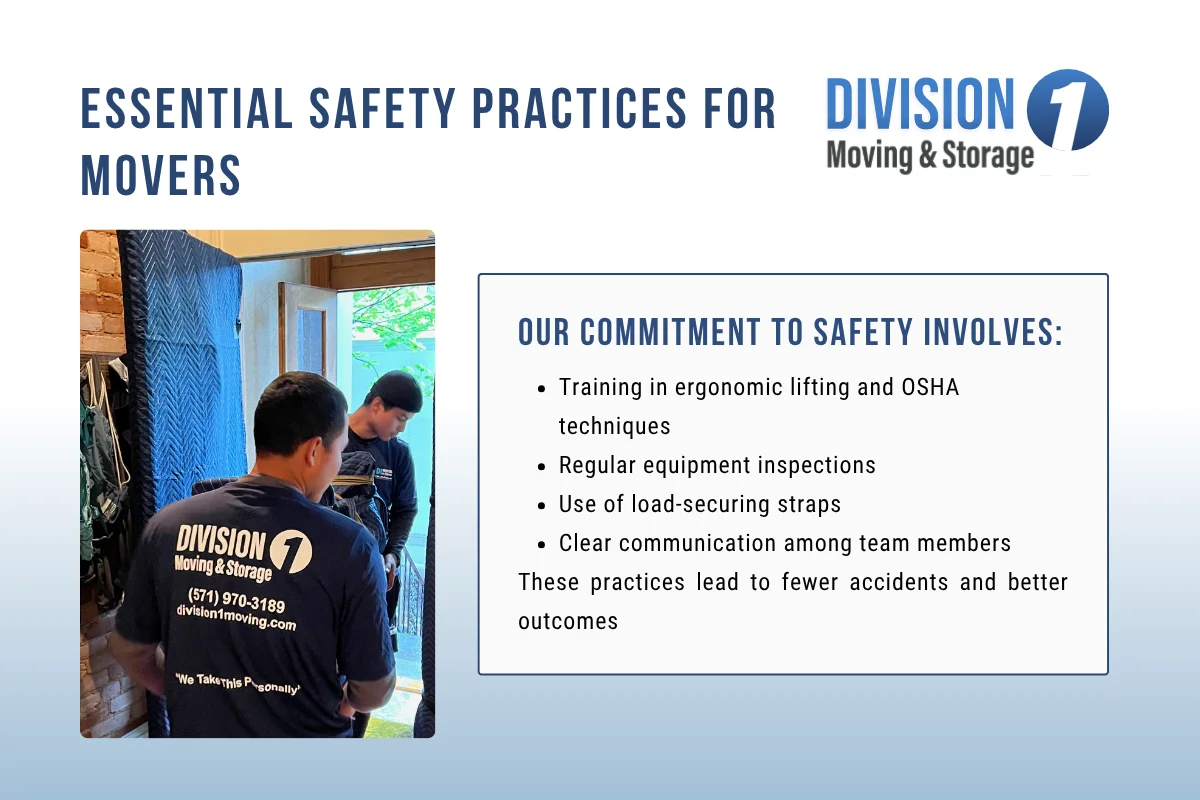
For long-distance moves, consider hiring professional movers with experience in senior relocations. They can manage packing, transport, and even help set up the new home, reducing the physical and emotional burden on your family.
Medical Considerations: Prioritizing Health and Safety
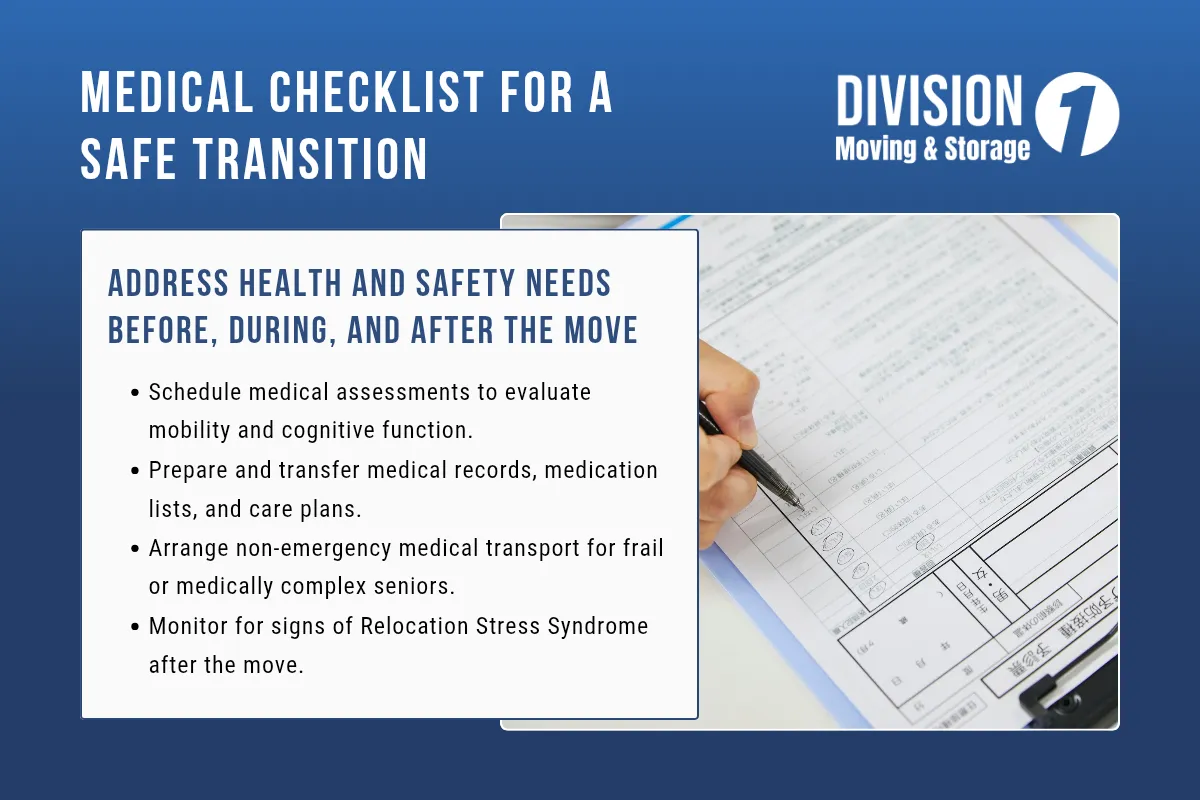
Many moves are driven by changes in health, mobility, or the need for specialized care. Addressing medical needs early in the process is essential for a safe and successful transition. Here’s how to ensure your parent’s health remains a top priority:
- Schedule Medical Assessments: Arrange visits with primary care providers or specialists to evaluate cognitive function, mobility, and activities of daily living (ADLs). These medical assessments help determine the appropriate level of care and guide housing decisions.
- Prepare Medical Records: Compile a list of current conditions, medications, and therapies. Share this information with the new community or care team to ensure continuity of care and tailored support.
- Plan for Safe Transport: For frail seniors or those with complex medical needs, standard travel may not be safe. Non-emergency long-distance medical transport services offer a secure alternative, ensuring your loved one arrives safely and comfortably.
- Monitor for Relocation Stress: Be vigilant for signs of confusion, anxiety, or depression after the move. Relocation Stress Syndrome can exacerbate existing health issues, so early intervention is key.
Involving healthcare professionals and care teams early builds trust and ensures your parent’s needs are met from day one.
Communication Strategies: Easing Fears and Building Trust
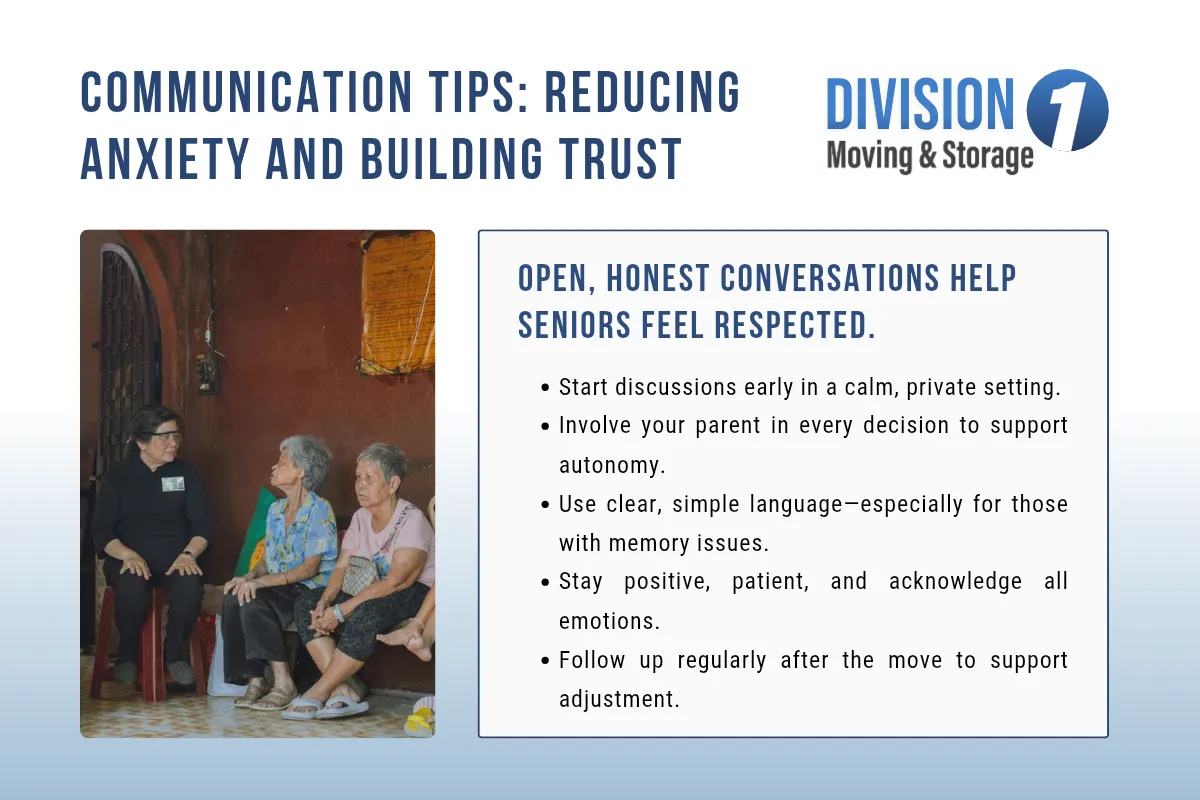
Open, honest, and compassionate communication is vital when moving elderly parents. Resistance often stems from fear of the unknown or a sense of lost independence. Addressing these emotions head-on can make the process less daunting for everyone involved.
Start the Conversation Early and Privately
Choose a calm, distraction-free environment to discuss the move. Approach the topic when your parents are relaxed, and keep the conversation private to foster openness.
Involve Your Parent in Every Step
Empower your loved one by including them in planning and decision-making. This respect for autonomy can reduce anxiety and build buy-in for the move.
Stay Positive and Patient
Maintain a positive outlook, celebrate milestones, and avoid frustration. Acknowledge your parent’s feelings and reassure them of the benefits, such as increased safety or proximity to family.
Use Clear, Simple Language
Tailor your communication to your parent’s cognitive level. For those with dementia or memory issues, use straightforward language and repeat key points as needed.
Follow Up After the Move
Check in regularly to ensure your parents are adjusting well. Offer practical help and emotional support to ease the transition.
Support Resources and Systems: Leveraging Help for a Smoother Move
No family should navigate this process alone. Numerous resources and support systems are available to assist with every aspect of moving elderly parents. Leveraging these can make the transition more manageable and less stressful.
- Senior Relocation Services: These professionals handle everything from downsizing and packing to setting up the new home. Their expertise ensures a smooth, efficient process.
- Professional Organizers: Experts can help sort through belongings, manage emotional attachments, and facilitate the letting-go process.
- Government and Non-Profit Programs: Local agencies, such as Area Agencies on Aging, offer caregiver support, housing navigation, and financial assistance. Non-profits like Caregiver.org provide practical guides and checklists for caregivers.
- Family and Community Support: Divide tasks among family members and use technology to coordinate efforts, especially for long-distance moves.
Researching and utilizing these resources can significantly reduce the burden on both seniors and their families.
Local vs. Long-Distance Moves: Key Differences and Considerations
The logistics of moving elderly parents vary greatly depending on the distance involved. Local moves allow for staged packing and multiple trips, while long-distance relocations require more intensive planning and professional support.
For long-distance moves, specialized services such as non-emergency medical transport and senior move managers are invaluable. They ensure safety and comfort, especially for frail or medically complex seniors.
Emotional and Practical Tips for a Positive Transition
Moving can trigger grief, anxiety, and a sense of loss for seniors leaving a long-time home. Acknowledging these emotions and providing practical support can ease the transition.
- Validate Feelings: Recognize and honor your parent’s emotions. Allow space for grief and reminiscence.
- Tour the New Home Together: Familiarize your parent with the new environment before moving day to reduce anxiety.
- Unpack Familiar Items First: Set up the new space with cherished belongings to create a sense of continuity and comfort.
- Track Progress: Celebrate small victories and milestones to build confidence and reduce feelings of isolation.
By combining empathy with practical strategies, families can help their loved ones embrace this new chapter with optimism and security.
Division 1 Movers: Your Partner for Senior Relocation in Alexandria, VA
Moving elderly parents is a journey that demands expertise, patience, and compassion. Division 1 Movers understands the unique needs of seniors and their families, offering tailored moving solutions that prioritize safety, comfort, and peace of mind. Our team specializes in both local and long-distance moves, providing meticulous planning, careful handling of belongings, and support every step of the way.
If you are preparing to move elderly parents in Alexandria, VA, or the surrounding area, let us help you make the transition as smooth and stress-free as possible. Contact Division 1 Moving today to discuss your needs and discover how our senior relocation services can support your family.










.webp)
.webp)
.webp)






.webp)







.webp)


