


.svg)
The right packing supplies for moving do more than hold your belongings. They control weight, reduce shifting, protect fragile surfaces, and make moving day easier for everyone carrying boxes through doors, stairs, hallways, and trucks.
If you are planning a move in Alexandria or Northern Virginia, we at Division 1 Moving and Storage help homeowners, renters, and businesses think through practical packing choices before moving day. Have questions as you prepare? Get a Quote and we can help you understand what supplies may fit your move.
Moving Boxes and Packing Supplies Should Match the Weight and Shape of Each Item
Choosing boxes by item type is safer than buying one carton size for everything. Professional movers typically use a standard mix of small, medium, large, and extra-large boxes because each size is suited to a different weight range and category of belongings.
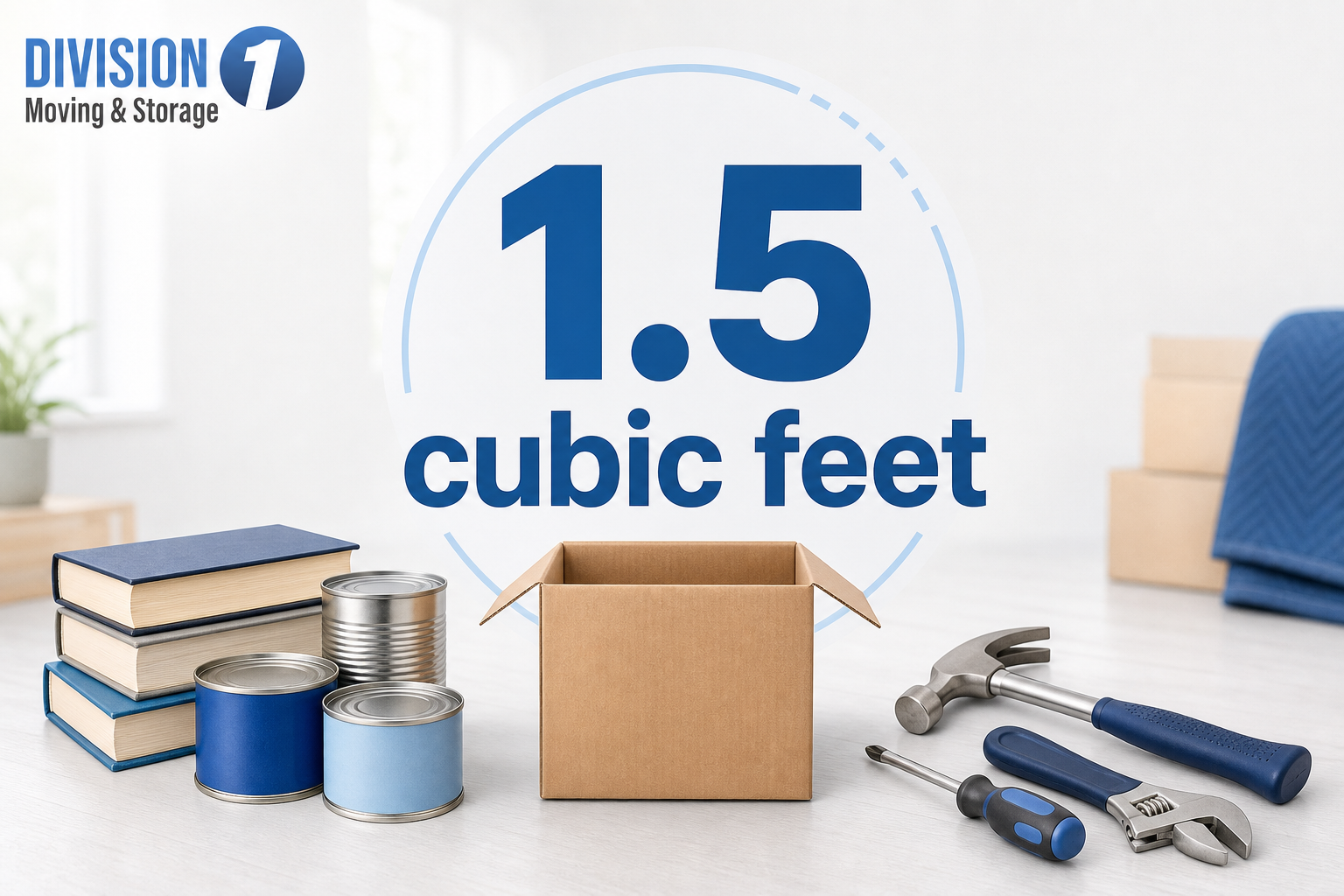
Small boxes, often about 1.5 cubic feet, work best for dense, heavy items. Books, canned goods, hand tools, small kitchen appliances, files, and records belong in smaller cartons because the packed weight stays manageable. A box that feels small can still become too heavy if it is filled with books from top to bottom.
Medium boxes, around 3.0 cubic feet, are often treated as the workhorse carton. They are commonly used for general household items such as kitchenware, shoes, toys, bathroom supplies, small appliances, and decor. They offer enough space to be useful without encouraging unsafe overpacking.
Large boxes, around 4.5 cubic feet, are designed for lighter bulky items. Pillows, linens, stuffed animals, lampshades, and lighter bedding fit well because they take up space without adding too much weight. Extra-large boxes, in the 5 to 6 cubic foot range, should be reserved for oversized but very light belongings such as comforters, large plush toys, and bulky bedding.
The most common mistake is using a large box for heavy contents because it seems convenient. That can make the carton difficult to lift and more likely to fail when stacked. A better rule is simple: heavy items go in small boxes, mixed household items go in medium boxes, and bulky light items go in large boxes.
Dish Packs, Wardrobe Boxes, Mirror Cartons, and TV Boxes Protect Items Standard Boxes Cannot
Some belongings need specialty cartons because they are fragile, awkward, tall, flat, or vulnerable to pressure. Standard cartons are useful, but they do not solve every packing problem. Specialty packing materials for moving are designed to reduce movement, protect corners, and keep delicate items separated.
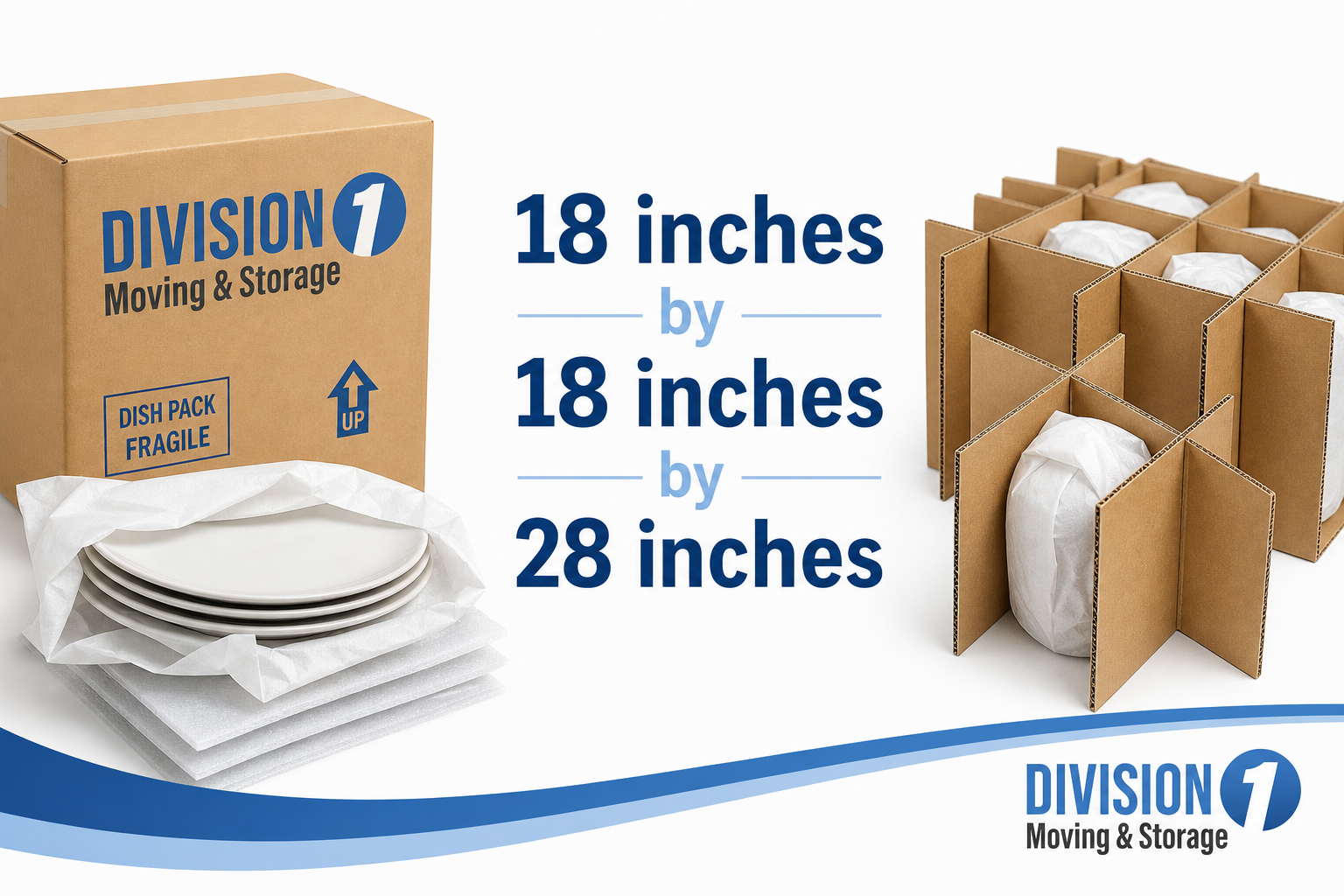
Dish packs, also called dish barrels, are among the most important specialty boxes for a kitchen. These are double-walled cartons, often around 18 inches by 18 inches by 28 inches, designed to reduce impact on dishes and glassware during transit. Many can be used with cell dividers, which keep plates, bowls, stemware, and serving pieces from clinking together.
Wardrobe boxes are tall cartons with a built-in metal hanging bar. Clothing can move directly from closet rod to box without being folded. This helps keep garments organized and can reduce wrinkling during the move.
Mirror and picture boxes use a slim telescoping design for framed art, mirrors, and glass tabletops. According to Atlas Van Lines packing materials, specialty cartons include options for mirrors, mattresses, wardrobes, dishes, and other items that need more than a standard box.
Flat-screen TV boxes are another category worth planning for early. They are adjustable and padded, with kits commonly sized to protect TVs up to about 55 to 66 inches depending on the kit. Their purpose is to maintain screen clearance and protect corners, which are especially vulnerable when a TV is carried, loaded, or stacked near other items.
At Division 1 Moving and Storage, this is often where professional packing support is most useful: large screens, framed glass, dishware, and fragile kitchen items are much easier to protect when the right carton and padding are selected before the truck is loaded.
Packing Paper, Bubble Wrap, Foam Pouches, and Void Fill Keep Items from Shifting
Boxes provide structure, but the materials inside the box provide much of the protection. Packing paper, bubble wrap, foam pouches, and void fill all serve a different purpose. Used together, they reduce impact, stop rattling, and keep fragile contents from touching each other.
Packing paper is one of the most flexible materials in a moving kit. Clean newsprint can wrap dishes, glassware, small breakables, and kitchen items. It can also be crumpled and placed under, between, and above layers inside a box to fill gaps. For plates, professional guides recommend placing paper between each plate and packing dishes on edge inside dish packs.
Bubble wrap adds cushioning around fragile surfaces, corners, and edges. It is commonly used for electronics, ceramics, glassware, and delicate decor. For items with sharp corners or uneven shapes, multiple layers can help absorb shock during carrying and transit.
Foam pouches are a faster alternative for some fragile packing tasks. These sleeves slide over plates or glasses, reducing the time needed to wrap each item by hand. They can be especially useful when packing a full kitchen with many similar pieces.
Void fill is what keeps packed items from moving once the box is sealed. Crumpled paper, kraft paper offcuts, foam peanuts, and biodegradable packing peanuts can fill empty spaces around wrapped items. Lowe’s moving tips include using paper and other fill materials to stabilize contents and help prevent fragile items from shifting.
There are also specialty paper options for certain items. Non-tarnish paper may be used for silverware, brown kraft paper can help with larger pieces such as lamp bases or framed art, and wax paper is used for oil paintings that need moisture resistance.
Heavy-Duty Tape, H-Taping, Stretch Wrap, and Furniture Pads Support the Whole Packing System
Good boxes can still fail if the tape is weak or applied poorly. Packing tape is not just a closing material. It helps preserve the structure of the carton, especially when boxes are stacked, carried, or stored before delivery.
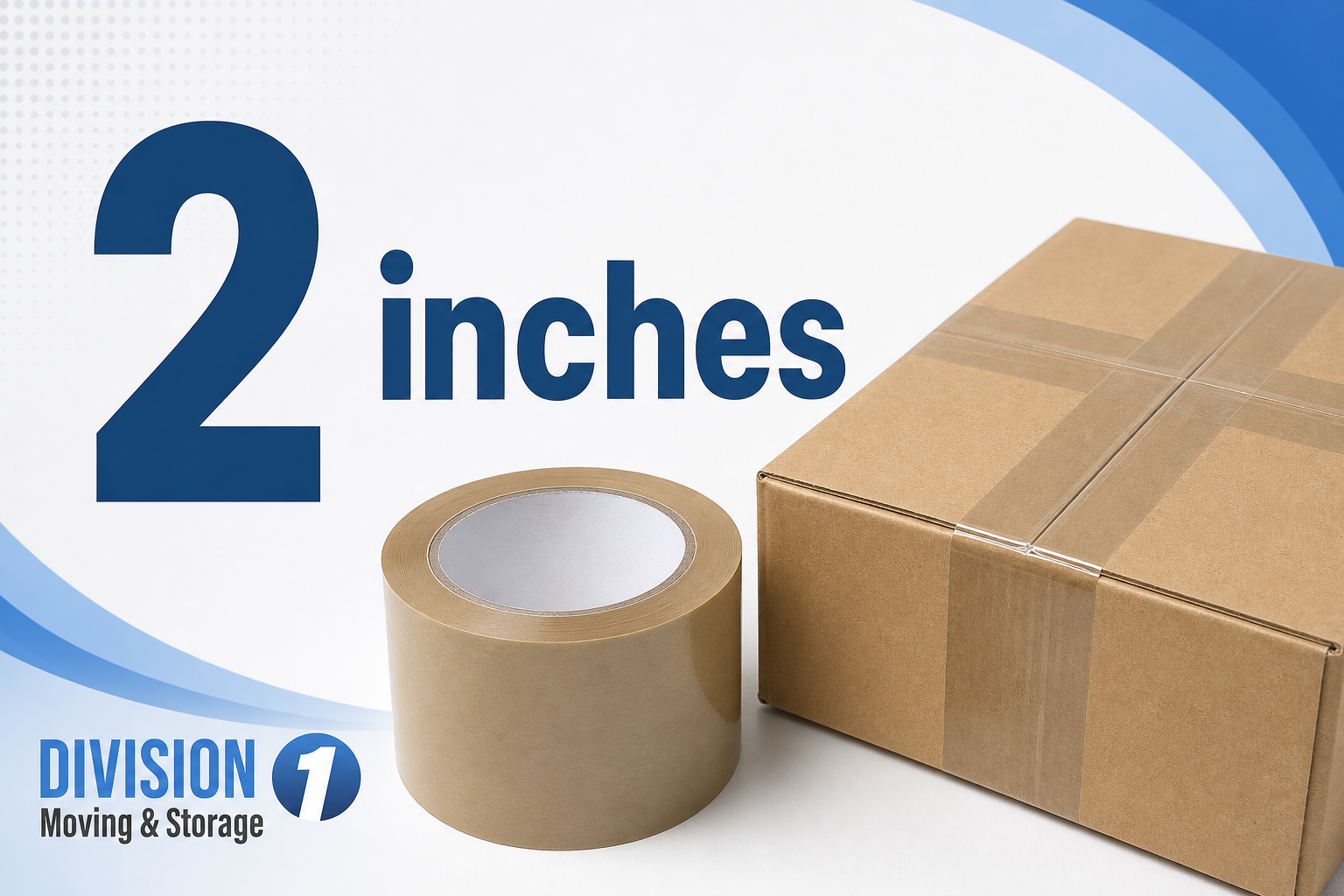
Professional packing guidance commonly points to heavy-duty clear or brown tape that is about 48 millimeters, or 2 inches, wide. The adhesive needs to hold through lifting, stacking, vibration, humidity, and the weight of the box contents. Cheap general-purpose tape, old dried tape, or standard masking tape can peel away from corrugated cardboard under pressure.
H-taping secures the seams that carry the most stress
The H-taping method uses one strip along the center seam and two cross strips along the edges of the top and bottom flaps. This closes the main seam and reinforces the flap edges. For heavy boxes, long-distance moves, or items going into storage, reinforcing seams with extra strips can reduce the chance of a carton opening mid-move.
Specialty tape also has a place. “FRAGILE” printed tape helps identify cartons that need careful handling. Low-tack painter’s tape may be used directly on glass surfaces, such as taping an X across mirrors and framed glass, because it can help hold shards together if breakage occurs. Packing tape should generally not be applied directly to wood or finished furniture surfaces.
Furniture protection requires padding before securing
Furniture pads and moving blankets protect surfaces from dings and scratches. Stretch wrap can hold blankets in place, keep drawers closed, bundle cords, and restrain moving parts. Corrugated paper rolls can provide flexible cushioning for awkward shapes and fragile surfaces such as glass doors or sculptural decor.
Items headed into storage often benefit from extra layers. Paper pads plus blankets may help protect against dust, humidity, and incidental contact during longer storage intervals. The longer belongings sit, the more important it becomes to avoid direct surface exposure and loose wrapping.
Room-by-Room Planning Helps Estimate the Right Quantity of Packing Materials for Moving
Planning by room is more accurate than guessing a total number of boxes. A kitchen needs different moving boxes and packing supplies than a bedroom, office, or living room. Thinking by room also helps you avoid buying too many of one size and not enough specialty cartons.
Kitchens usually need small and medium boxes plus dish packs. Heavy pantry goods, jars, cast-iron cookware, and small dense appliances belong in small boxes. Lighter cookware, food storage containers, and some small appliances can go in medium boxes. Plates, bowls, stemware, and fragile serving pieces should go into dish packs with individual wrapping and dividers when available.
Bedrooms and closets rely more on large cartons, extra-large cartons, and wardrobe boxes. Folded clothes and personal items often fit well in medium boxes. Pillows, bedding, and lighter soft goods can go into large or extra-large boxes. Hanging garments can go directly into wardrobe boxes.
Living rooms and offices need a broader mix. Books, files, records, and heavy media belong in small book cartons or archive boxes. TVs and monitors should be packed in original manufacturer cartons if available or in professional TV kits with foam inserts and adjustable panels. Mirrors, framed art, and glass tabletops belong in mirror or picture cartons after being wrapped with paper, bubble wrap, and sometimes a moving blanket.
Common planning ranges can help set expectations before packing begins. These are not exact requirements, but they offer a useful starting point:
A typical family kitchen may use 2 to 4 dish packs, 4 to 6 medium boxes, and 2 to 3 small boxes.
An average bedroom may need 2 to 3 small boxes, 3 to 5 medium boxes, 1 to 2 large boxes, and 1 to 2 wardrobe boxes.
A living room with framed pieces and a large TV may require 1 to 2 TV boxes, 2 to 4 mirror or picture cartons, 3 to 5 medium boxes, and 2 to 3 large boxes.
A small apartment may use 20 to 30 total boxes across all sizes.
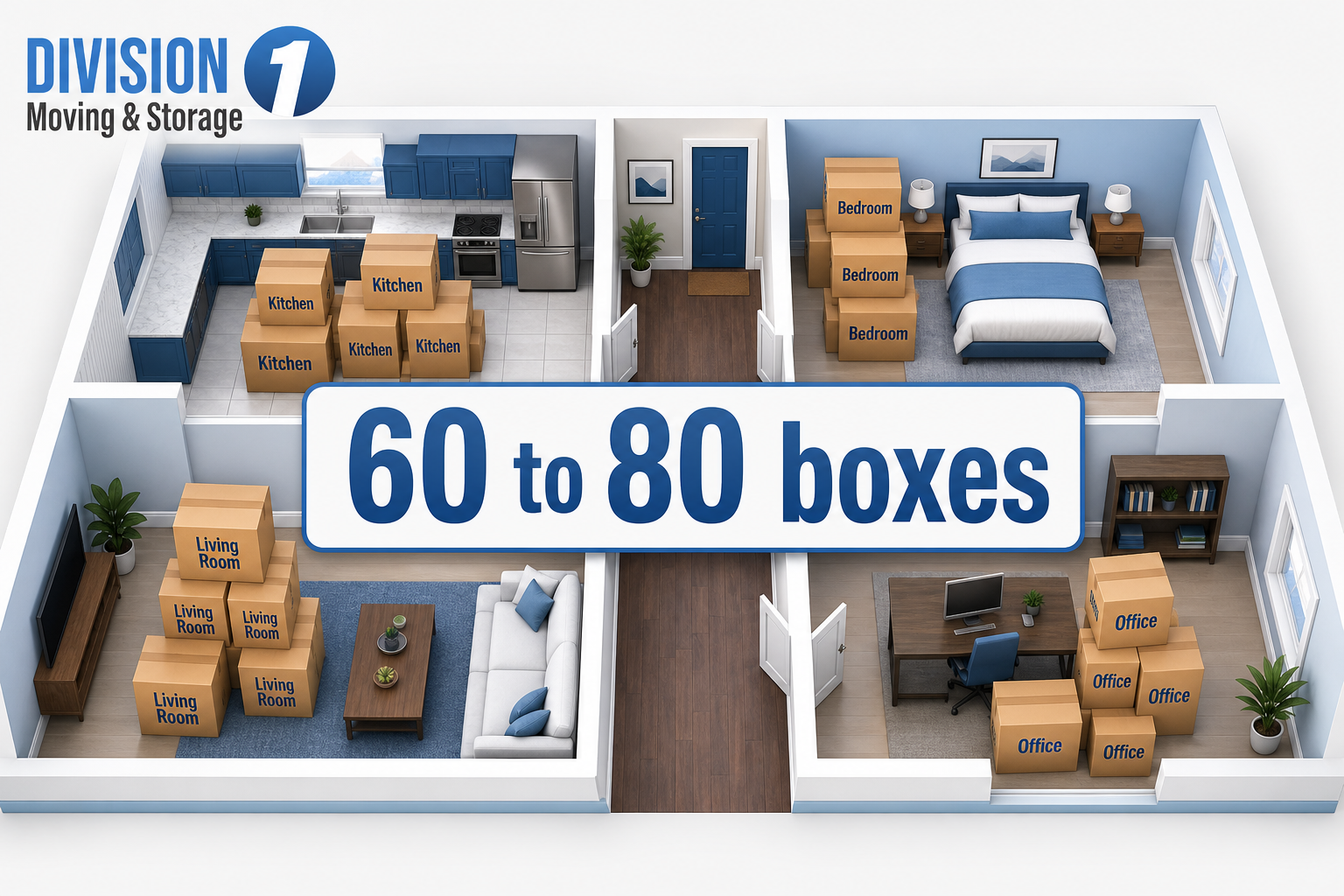
A 3-bedroom house often needs 60 to 80 boxes, including specialty cartons.
Bathrooms usually need fewer boxes, often small or medium cartons. Toiletries, glass bottles, and small personal items should be packed so they cannot shift. Liquids should be sealed in bags or plastic bins to help prevent leaks.
Mattress Bags, Labels, Reusable Crates, and Eco-Friendly Options Round Out a Better Move
Some supplies are easy to overlook because they are not standard boxes. Mattress bags, labels, markers, reusable crates, and eco-conscious fill materials can make the difference between a move that feels organized and one that feels scattered.
Mattresses and box springs need protection from dirt, moisture, and tearing. Professional suppliers offer mattress bags or cartons in crib, twin, full, queen, and king sizes. These covers shield fabric surfaces in the truck or while items are in storage. For long-distance moves, a bag or box can be especially important because mattresses may be stacked or stored with other belongings for days or weeks.
Labels are another essential supply. Each box should be marked on multiple sides with the destination room and a brief content description. Color-coded stickers or tape can create a room system, such as one color for kitchen boxes and another for bedrooms. Priority boxes marked “Open First” should be easy to identify so they can be loaded last and unloaded first.
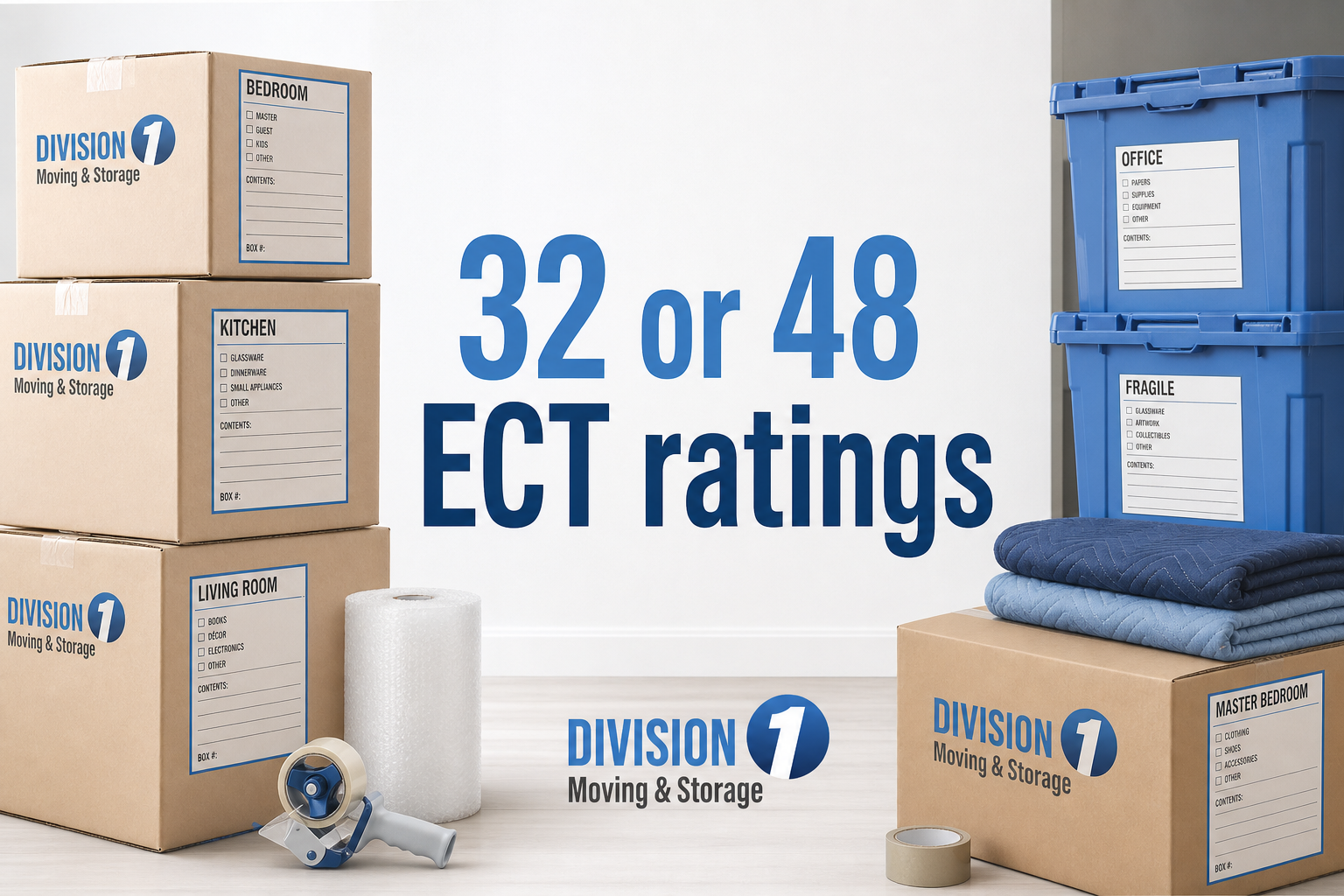
Quality also matters when choosing where to get supplies. Grocery or liquor store boxes may seem convenient, but they are generally not rated for known weight limits and can be more prone to crushing when stacked. Professional-grade cartons often list burst strength or edge crush test ratings, such as 32 or 48 ECT ratings, which relate to stacking load and impact resistance.
Eco-friendly packing choices are increasingly practical. Reusable plastic moving crates made from recyclable materials can be delivered, used during the move, and picked up afterward. Room-by-room packing guidance also points to reusable containers, better tape choices, and careful material planning as ways to reduce waste without sacrificing protection.
Other lower-waste options include using biodegradable packing peanuts, repurposing towels and blankets as padding, choosing recycled cardboard where available, and recycling or donating boxes after the move. For commercial moves, reusable crates and IT-specific containers can be especially useful because they maintain uniform sizes and can be used repeatedly.
When your move involves specialty items, storage, long-distance transport, or a full home’s worth of packing, having the right materials ready before the first box is sealed can save time and reduce damage risk. If you are preparing for a move in Alexandria or Northern Virginia, Get a Quote from Division 1 Moving and Storage, or call us today at (571) 970-3189.